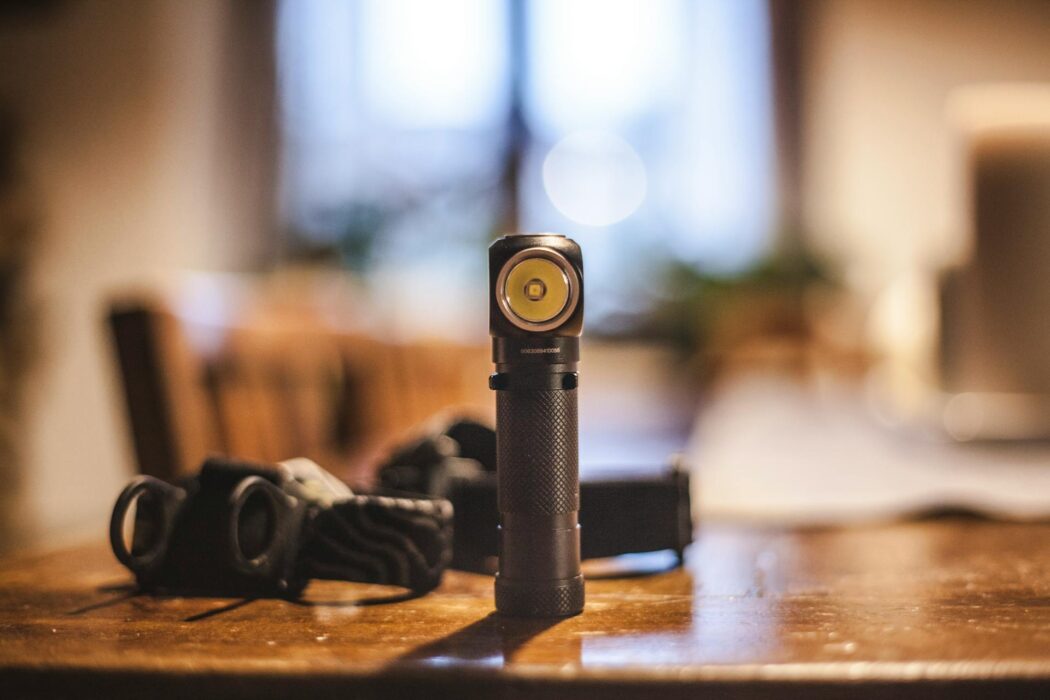
Carrying a small light in a backpack sounds simple. It is. Still, that one tool solves many problems before they even start. A flashlight helps you see, stay safe, and stay calm. It turns a dark hallway, a stormy night, or a messy locker into something manageable. That’s why a flashlight earns a spot next to pencils, a water bottle, and a snack. It is basic gear that quietly makes every day easier.
A tiny tool that changes tricky moments
Picture a bus ride home on a winter afternoon. The sun sets early. Streetlights flicker. Reading a schedule or finding a dropped bus pass becomes hard. A flashlight fixes that in seconds. Now think about school events. Plays, games, and club meetings often end after dark. A light helps you spot a parent’s car, find keys, or walk on a safe path.
At home the same idea holds up. Power goes out during a storm. Candles are not always handy or safe. A flashlight is safer, faster, and easier to control. You can check the breaker, look in the pantry, or guide younger kids through a hallway without fear.
Not only for camping trips
Camping gets all the attention when people talk about flashlights. Sure, a light is perfect for tents and trails. But it also helps with everyday tasks. Reading a serial number behind a TV. Checking the bottom of a backpack for that missing eraser. Walking the dog after dinner. A flashlight is the tool that steps in when rooms, bags, or yards are too dim.
If comparing options helps, browsing different flashlights can make features and sizes easier to understand. Seeing a range side by side can guide smart choices without guessing.
Phones are helpful, but not enough
Phone flashes are better than nothing. Still, they are not built for real lighting jobs. The beam is short. The battery drains fast, and you may need that battery for messages or maps. Phones are slippery and can break if dropped. A real flashlight handles bumps, rain, and dirt much better. It sits in a pocket, clip, or pouch and turns on without swiping a screen. When something goes wrong, having a separate light feels steady and dependable.
What to look for in a backpack light
Brightness matters, but more is not always better. Brightness is measured in lumens. For school or city use, 50 to 150 lumens covers most tasks. That level lights up lockers, buses, and sidewalks. For trails or large yards, 300 to 600 lumens helps you see farther. Super-bright beams are fun, but they can drain batteries and reflect off signs or windows. A light with more than one mode is smart. Low mode saves power and protects your night vision. High mode cuts through darkness when needed.
Power source comes next. Many small lights use AA or AAA batteries. Those are easy to find and cheap to replace. Rechargeable models use built-in batteries and charge with a USB-C cable. That is clean and simple. If a backpack already carries a portable battery, a rechargeable light fits in well. If not, a simple AA light may be the best start. Either way, spare power is important. Pack a second battery or top up the light each week.
Size and weight should match daily life. Keychain lights are tiny and easy to carry, but they can be hard to hold with gloves. Pocket lights, about the length of a hand, balance power and comfort. Headlamps keep hands free for reading music, fixing a bike chain, or tying shoes. Some people carry both a small light and a headlamp. That pair covers almost everything.
Durability saves hassle. Look for aluminum or tough plastic bodies. A water-resistant rating (often shown as IPX4, IPX6, or IPX8) means the light can handle rain or drops in a puddle. A flat tail or a tail stand feature lets a light sit upright on a desk or shelf and bounce light off the ceiling. That turns one small light into a mini room lamp during outages.
Controls also matter. A simple tail switch is fast for on and off. Side buttons can switch modes. Some lights have a lockout so they do not turn on inside a bag. A clip helps attach the light to a pocket or strap, and it also lets the light ride on the brim of a hat for hands-free tasks.
Safety that feels calm, not scary
Safety talk often sounds heavy. It does not need to. A flashlight supports everyday safety in quiet ways. It helps you see where you step so you do not trip. It warns drivers or cyclists that someone is crossing a road. It lets you check house numbers when a ride arrives at night. It keeps small groups together during events or drills. When everyone can see, everyone relaxes.
There is also safety in being seen. Point the beam at the ground ahead when walking near traffic. Do not shine it at faces. Keep a low mode on in crowded places so others are not startled. In an emergency, a strobe mode can attract attention. Use it only when needed.
Smart ways to carry and store
Pick one place for the light and leave it there. A side pocket in the backpack works well. A small zipper pouch also keeps the light from scratching other items. If spare batteries are needed, tape the ends of the spares so they do not touch metal parts. Check the light once a week. Click it on and off. If it is rechargeable, plug it in on the same day each week. Set a small reminder if that helps.
At home, choose a parking spot for the light. A hook by the door, a desk drawer, or a shelf near the breaker box are all good homes. The more consistent the spot, the faster the light shows up when things go dark.
A quick guide for common situations
School days are full of small problems. A light fixes many of them. If a classroom projector makes the room dim, a tiny beam helps find dropped pens without stopping the lesson. Clubs that meet in older buildings often have dark stairwells. A light makes those steps safer. Sports practices can end after sunset. A light makes it easier to pack up, check the field for missing gear, or walk to a car with confidence.
Weekends bring new uses. A flashlight helps find a tent zipper, roast marshmallows safely, or read a book without waking anyone. It helps during backyard hide-and-seek and during care for pets at night. It even helps with chores, such as checking a leaky sink or reading the model number on a vacuum.
Teaching good habits with a simple tool
Carrying a flashlight builds small, strong habits. It teaches preparation without fear. It shows that tiny actions reduce stress later. It encourages planning, care, and respect for others. A beam used on low mode around friends shows thoughtfulness. Keeping the light charged shows discipline. Replacing batteries before they die shows attention and follow-through.
These habits spread to other parts of life. People who carry a light often carry tissues, a small bandage, or a pen. Not because danger is expected, but because being ready feels calm and kind. A flashlight becomes a symbol of that mindset: quiet, steady, and helpful.
Choosing a first light without stress
Choosing a first light should be easy. Decide how it will be used most of the time. If the answer is “school and home,” pick a compact model with two or three modes, around 100 to 300 lumens, and a simple switch. If weekend trails or fields are common, consider a brighter option and a headlamp. If cords are already part of daily life, choose rechargeable. If not, pick AA or AAA and keep a spare battery in a small case. Durable body. Water resistance. A clip. Those features cover the basics without adding confusion.
Price matters too. Good lights exist at many price points. Start with something reliable. Learn what feels best in hand. Upgrade later if needed. The best light is not the fanciest. It is the one that is there when needed and easy to use in the dark.
Final thoughts to carry with you
A flashlight weighs almost nothing but brings a lot of value. It helps you see, stay safe, and solve problems without drama. It protects your phone battery for tasks that only a phone can do. It teaches steady, calm habits that last. Add a small light to your backpack, try it in real life this week, and notice how many moments become easier. Keep it charged or keep a spare battery nearby. Share the idea with a friend who walks home after sunset. One small tool, carried every day, makes the dark feel simple.

No Comments