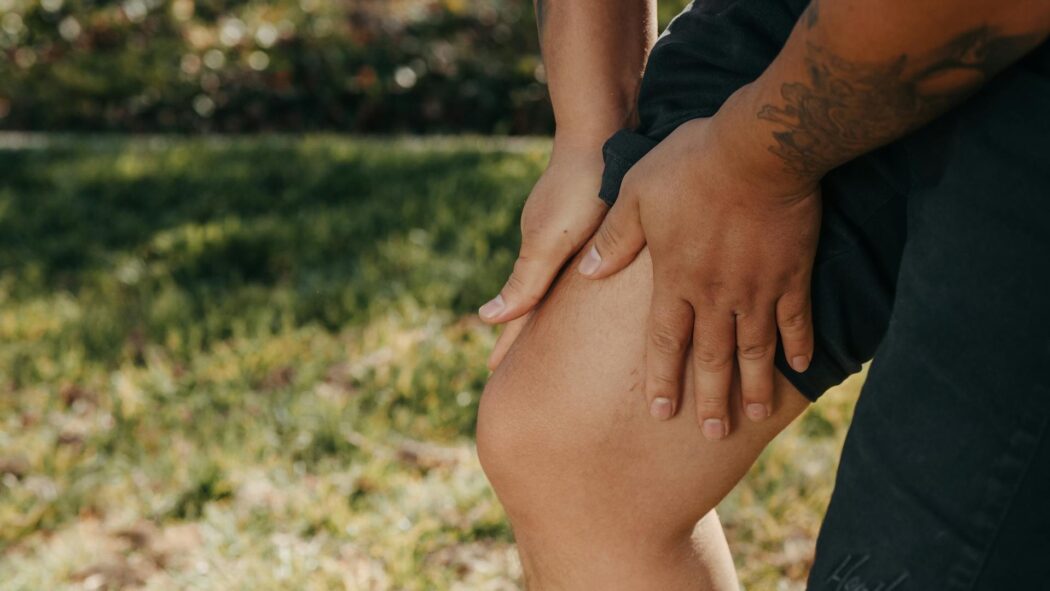
Playing sports is great for your body. It keeps you strong, helps with balance, and can even prevent joint problems later in life. But what happens when an old injury comes back to haunt you? If you’ve ever hurt your knee, twisted an ankle, or strained a muscle, you might notice that those same areas start aching as you get older. Is it just normal aging, or is there something else going on?
It turns out that sports injuries and joint pain are closely linked. The way your body heals after an injury can set the stage for arthritis and stiffness years down the road. But why does this happen, and what can you do about it?
How Old Injuries Can Lead to Joint Pain
When you get hurt, your body jumps into action to repair the damage. Swelling, bruising, and pain are all signs that your immune system is at work. Over time, your body lays down new tissue to fix torn muscles, ligaments, or cartilage. But here’s the problem: sometimes, the repair job isn’t perfect.
If you’ve ever sprained your ankle, you might remember how it felt weak for a while, even after the swelling went down. That’s because injuries can cause small changes in how a joint moves. When a ligament or muscle heals slightly out of place, it can put extra stress on nearby bones and cartilage. Over time, this extra wear and tear can lead to arthritis.
One treatment that’s been getting a lot of attention for injuries and arthritis is PRP for arthritis. PRP, or platelet-rich plasma therapy, uses a small sample of your own blood to help speed up healing and reduce inflammation. Some doctors recommend it for athletes recovering from injuries, as well as people dealing with long-term joint pain.
Why Do Joints Get Stiffer as You Age?
Even if you’ve never had a major injury, you might still notice that your joints don’t feel as smooth as they used to. That’s because your cartilage—the soft, cushion-like tissue that protects your bones—wears down over time.
When you’re young, your body produces plenty of joint fluid to keep everything moving smoothly. But as you get older, this fluid starts to thin out. At the same time, tiny cracks can form in your cartilage. This is why some people start to feel stiffness in their knees, hips, or shoulders, even if they’ve never been seriously injured.
For people who have had past injuries, aging can make joint pain even worse. If a knee ligament was once torn, the cartilage in that area may already be weak. Add years of movement, and arthritis can set in much faster.
Are Athletes More Likely to Get Arthritis?
This is a tricky question. On one hand, playing sports keeps your joints strong and healthy. Staying active helps muscles support your joints, which can actually prevent arthritis. But on the other hand, if you’ve had multiple injuries or spent years putting extreme stress on your joints, your risk for arthritis goes up.
High-impact sports like football, basketball, and soccer are more likely to cause long-term joint damage, especially if injuries are not treated properly. Even sports like running can lead to issues if a person has poor form or doesn’t give their body enough time to recover.
Some of the most common sports-related joint problems include:
- Knee injuries – Torn ligaments (like the ACL), meniscus tears, and long-term wear on the knee joint.
- Ankle sprains – Repeated sprains can weaken the ligaments and lead to arthritis in the ankle.
- Shoulder injuries – Rotator cuff tears and dislocations can cause pain and stiffness later in life.
- Hip problems – Overuse injuries, especially in sports like gymnastics or soccer, can lead to early arthritis in the hips.
The good news? If you take care of your joints, you can lower your chances of developing arthritis, even if you’ve had injuries in the past.
How to Protect Your Joints as You Get Older
If you’ve had a sports injury before, that doesn’t mean you’re doomed to have joint pain forever. There are ways to keep your joints strong and reduce the risk of arthritis.
- Stay Active, But Don’t Overdo It
Movement is good for your joints, but too much strain can cause damage. Low-impact exercises like swimming, biking, or walking can help keep your joints flexible without adding too much stress. - Strengthen the Muscles Around Your Joints
Strong muscles help take pressure off your joints. Physical therapy or strength training can help keep your knees, hips, and shoulders stable, reducing the risk of pain. - Eat Foods That Fight Inflammation
Some foods can help reduce joint pain by fighting inflammation. Foods rich in omega-3 fatty acids (like salmon), leafy greens, and nuts can help keep inflammation in check. - Use Proper Form During Exercise
Many injuries happen because of poor form. Whether you’re lifting weights, running, or playing sports, learning the right technique can prevent unnecessary stress on your joints. - Consider Treatments Like PRP Therapy
If you have lingering pain from an old injury, newer treatments like PRP therapy might help your body heal. Talk to a doctor about options that could work for you. - Listen to Your Body
If something hurts, don’t ignore it. Rest, ice, and proper care can help prevent small problems from turning into long-term joint issues.
The Bottom Line
Sports injuries and aging both play a big role in joint health. While staying active is important, past injuries can make certain joints more likely to develop arthritis over time. The key is to take care of your body—whether that means strengthening your muscles, avoiding high-impact stress, or looking into treatments that support healing.
If you’ve had a past injury and you’re starting to feel the effects, now is the time to take action. Small changes in your daily routine can make a big difference in how your joints feel years from now.

No Comments